We're Your Atlantic Canadian Team
Flooring Buying Guide: Laminate vs. Vinyl
When it comes to revamping your home's flooring, there are countless options to choose from. Two of the most popular and budget-friendly choices are laminate and vinyl flooring. But how do you decide which one is right for you? Don't worry, KENT's got you covered! Follow this guide to learn more.
Flooring Buying Guide: Laminate vs. Vinyl
Laminate Flooring
Laminate flooring is a fantastic option for those seeking a balance between affordability, aesthetics, and durability. It consists of multiple layers, including a wear layer, a printed design layer, and a core layer that provides stability. One of the key factors to consider when choosing laminate flooring is its AC rating, which measures its durability and suitability for different settings.
Understanding AC Levels
AC (Abrasion Class) levels are an industry standard that helps you determine the durability of laminate flooring. These levels also indicate resistance to scratching, drops and impacts, and stains. They range from AC1 to AC5, with AC1 being the least durable and AC5 the most. Here's a breakdown of each AC level:
- AC1: Suitable for light residential use, such as closets or bedrooms.
- AC2: Ideal for moderate residential use, like living rooms and dining rooms.
- AC3: The most common choice for residential use, suitable for high-traffic areas and even some commercial spaces.
- AC4: Designed for heavy residential and moderate commercial use, perfect for busy households and offices.
- AC5: The most durable option, suitable for heavy commercial use, making it perfect for busy commercial spaces.
For most homes, an AC3 or AC4 laminate will provide the durability you need for everyday living. However, if you have a high-traffic area or pets, you might want to consider an AC4-rated laminate for extra peace of mind.


Water Resistance
As laminate flooring has made its way into kitchens and bathrooms, it has had to adapt accordingly. Conventional laminate becomes damaged with long exposure to water, as it swells, and this ultimately results in damage at the joints. We now have water-resistant laminate flooring that can withstand exposure to water, making it a great solution for any space in your home.
Vinyl Flooring
Vinyl flooring offers versatility and water resistance that many homeowners find appealing. It's made from synthetic materials, including PVC (polyvinyl chloride) and is available in various forms, including luxury vinyl planks (LVP) and luxury vinyl tiles (LVT).
Here are some key benefits of vinyl flooring:
- Waterproof: Vinyl is exceptionally resistant to moisture, making it perfect for kitchens, bathrooms, and basements.
- Durability: Vinyl is known for its scratch and dent resistance, making it a great choice for families with children and pets.
- Versatility: Vinyl comes in a wide range of styles, colors, and patterns, mimicking natural materials like wood and stone.
- Comfort: Vinyl provides a comfortable underfoot feel and can be quieter, compared to laminate or hardwood flooring.
Things to Consider
When it comes to choosing between laminate and vinyl, your decision will largely depend on your lifestyle and specific needs. Here are some things to consider:
- What's your budget? Laminate is often more budget-friendly than vinyl, but both options offer excellent value for your money.
- Where will you install it? If you're looking to upgrade a high-moisture area like a bathroom or kitchen, waterproof laminate or vinyl flooring may be the better choice.
- How much foot traffic do you expect? Consider the AC rating for laminate and the wear layer thickness for vinyl to ensure your flooring can withstand daily wear and tear.
- Do you want a specific look? Both laminate and vinyl offer a wide range of styles, so choose the one that best matches your aesthetic preferences.
Edge Type
Edge type in flooring refers to the way the edges of individual floorboards or tiles are designed and finished. The edge type can have a significant impact on the appearance, installation method, and overall look of the flooring. There are There are 3 main edge types.

Square: Square-edged flooring features straight, square-cut edges that create a clean and seamless appearance when installed. This type provides a modern and uniform look.

Micro-beveled: Micro-beveled edges have a more subtle and refined space between planks. This type of edge provides a touch of definition and style without the pronounced bevel (space) of standard beveled edges.

Beveled: This type of flooring has a noticeable bevel between each plank, adding depth and dimension to the flooring's appearance. Beveled edges can give a rustic or handcrafted look to your space. They also help conceal minor imperfections and irregularities in the subfloor.
*Tip: When shopping for laminate and vinyl flooring, check to ensure an under pad is included in your purchase. Both flooring solutions will require you to have a pad when installed. Some products will include it and it will be directly attached to your floor, while others won't.

Both laminate and vinyl flooring have their unique advantages, and the choice ultimately depends on your specific needs. Understanding the difference can help you make an informed decision based on your lifestyle and the demands of your space. So, take your time, explore your options, and enjoy the process of transforming your home's flooring into something beautiful and functional!
-
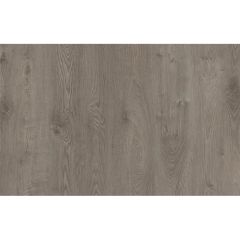
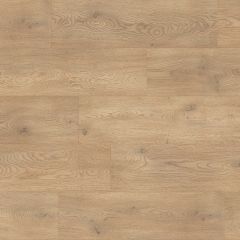
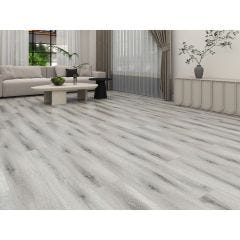
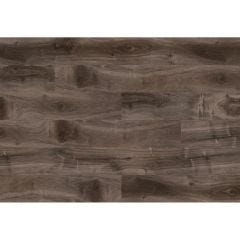 Home Products Source12mm Vintage Grey Laminate Flooring 18.83 SF/BX$37.28
- Ready to Deliver
- 164 Available for pick up at
-
Starting at$17.07
-
Starting at$58.27
-
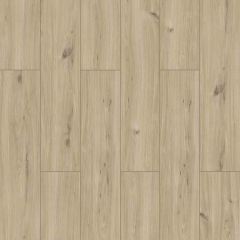 Taiga Building Products8mm Artfloor Heron Water Resist Laminate 20.44 SqFt/Box$48.64
- Ready to Deliver
- 64 Available for pick up at
-
Starting at$38.84
-
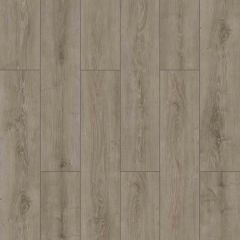 Taiga Building Products8mm Artfloor Parrot Water Resist Laminate 20.44 SqFt/BoxRegular Price$48.64Special Price$36.38
- Ready to Deliver
- 99 Available for pick up at
-
$59.29
- Ready to Deliver
- 70 Available for pick up at
-
Regular Price$59.29Special Price$50.10
- Ready to Deliver
- 49 Available for pick up at
-
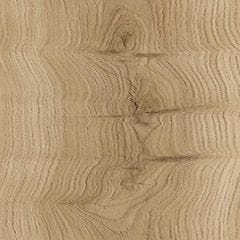 Taiga Building Products12mm Artfloor Mugla Oak Water Resist Laminate 20.18 SqFt/Box$64.17
- Ready to Deliver
- 160 Available for pick up at
-
Starting at$10.20
-
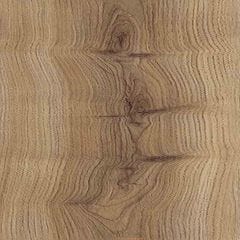 Taiga Building Products12mm Artfloor Authentic Oak Water Resist Laminate 20.18 SqFtRegular Price$64.17Special Price$56.10
- Ready to Deliver
- 70 Available for pick up at
-
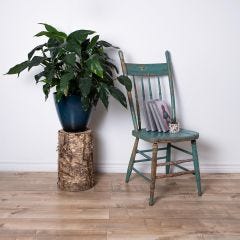 Northern Boreal12.3mm Everest Nepal Laminate Flooring 19.77 SF/BX$39.14
- Ready to Deliver
- 79 Available for pick up at
-
Starting at$37.78
-
$31.86
- Ready to Deliver
- 0 at
-
$40.78
- Ready to Deliver
- 35 Available for pick up at
-
 Starting at$5.78
 -
$58.27
- Ready to Deliver
- 12 Available for pick up at
-
$65.61
- Ready to Deliver
- 52 Available for pick up at
-
$65.61
- Ready to Deliver
- 45 Available for pick up at
-
$58.27
- Ready to Deliver
- 43 Available for pick up at



Need help with your project or have any specific questions? Our Project Center team is here to help! Click here to get started.
Recommended Articles
-
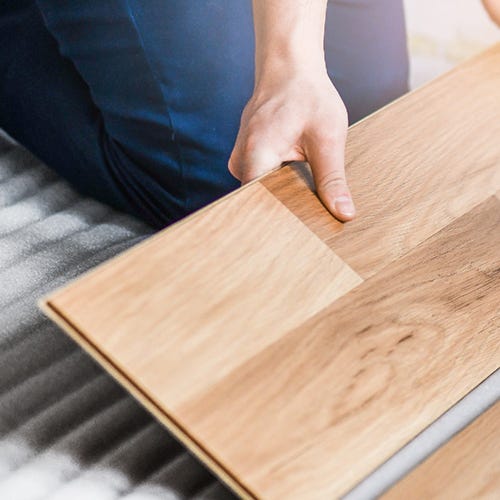
Installing your own flooring is a great way to minimize renovation costs and give you major bragging rights. For most spaces, laminate flooring can be DIY’ed in an afternoon with a little help from your local KENT Project Centre. Choose from a wide range of laminate flooring, grab your gear, and start loving your floors again!
-
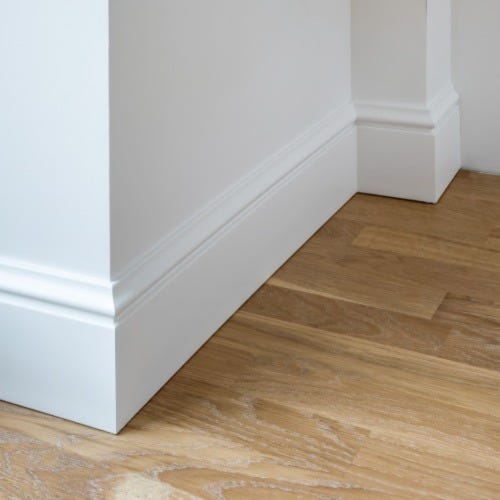
Put the finishing touch on your beautiful new floors when you DIY your floor trim! Most floors require some sort of trim or baseboard to conceal gaps between your flooring and walls. Choose from modern and classic options from KENT for trim as elaborate or simple as your personal style. Find your trim, tools, and expert DIY advice at your local KENT!