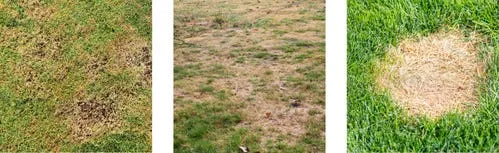
Even healthy lawns can thin out over time. Hot weather, dry periods, heavy use, insects, and disease can all leave bare or patchy spots. Overseeding introduces new grass varieties that help your lawn look better and stay healthy longer.
Benefits of overseeding include:
Filling in bare and thinning areas.
Creating a thicker lawn that crowds out weeds.
Improving drought tolerance and disease resistance.
Enhancing your lawn s colour and appearance.
Reducing erosion in areas with poor grass coverage.
Step 1: Mow and Clean Up
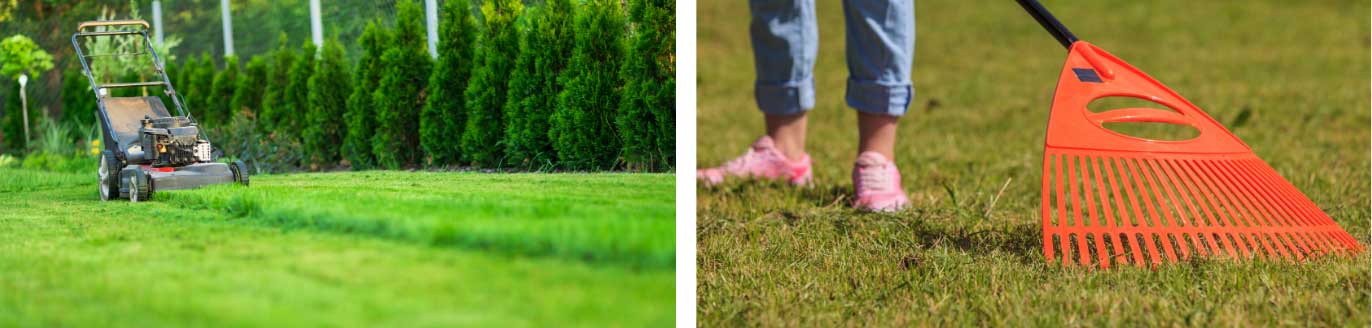
Begin by mowing your lawn a little shorter than usual, leaving the grass around 2 to 2.5 inches tall. This lets more sunlight reach the soil and helps the new seeds make contact with the ground.
Remove any leaves, sticks, or grass clippings from your lawn. If you see a thick layer of thatch, which is dead grass and debris, use a dethatching rake to clear it away. Too much thatch can keep seeds from reaching the soil.
Step 2: Aerate if Needed
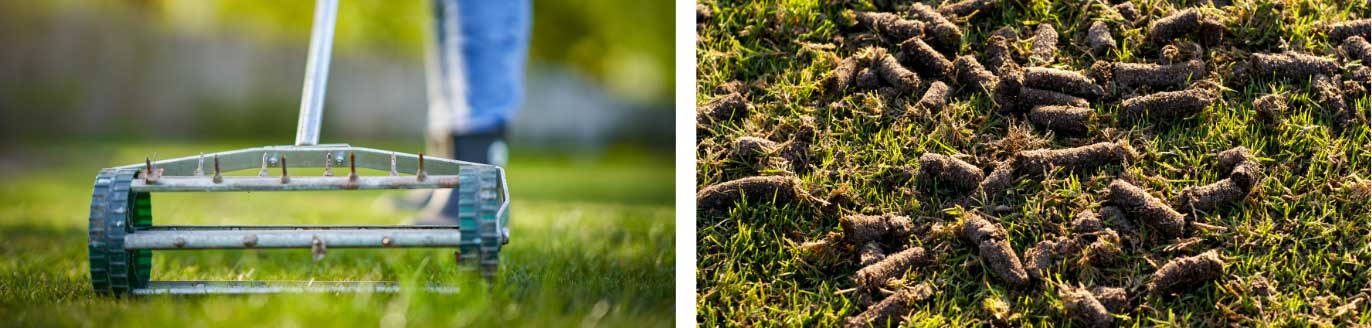
If your lawn feels hard when you walk on it or water pools after it rains, the soil is probably compacted. Core aeration pulls out small plugs of soil, allowing oxygen, water, and nutrients to reach deeper into the soil.
Aerating before overseeding also creates many small holes where grass seed can settle, which greatly improves seed-to-soil contact and helps more seeds sprout.
Step 3: Choose the Right Grass Seed
Not all grass types are the same. Choose a seed that fits your yard s conditions.
Sunny lawns do well with tough turf-type fescues or Kentucky bluegrass blends.
Shady spots benefit from fine fescues, which grow well with less sunlight.
In areas with heavy foot traffic, hardy blends with perennial ryegrass work best.
Quality seed might cost a bit more, but it usually yields better germination, stronger disease resistance, and longer-lasting results.
Step 4: Spread the Seed Evenly
Use a broadcast or drop spreader to spread the seed evenly over your lawn. Be sure to follow the application rate listed on the seed package.
Using too much seed can actually reduce success, as overcrowded seedlings compete for moisture and nutrients.
Step 5: Top Dress for Better Results
You can also add a thin layer, about a quarter inch, of screened topsoil or compost over the new seed. This helps keep moisture in, protects the seed from birds, and improves seed-to-soil contact.
Step 6: Fertilize
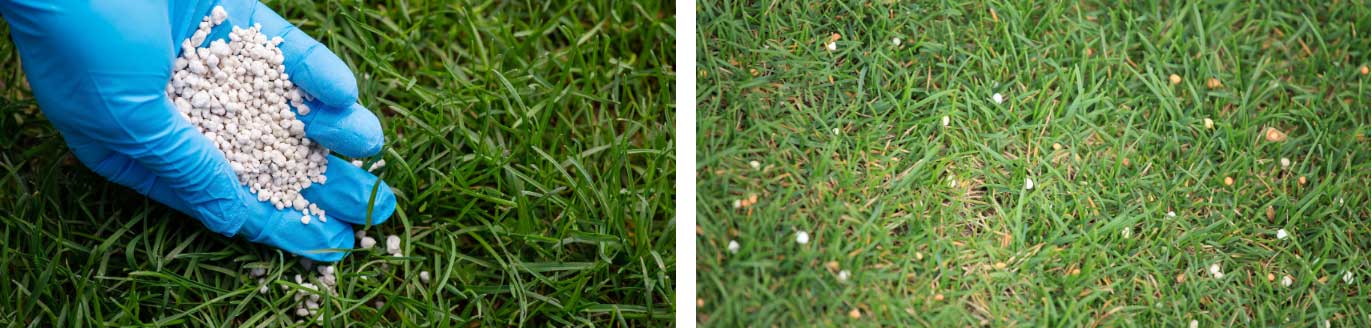
Apply starter fertilizer right after you seed. These fertilizers have nutrients that help roots grow and give young grass a good start before the weather gets cold.
Don t use weed-and-feed products when overseeding, since many weed killers can stop new grass seed from sprouting.
Step 7: Water Properly
Keeping the soil consistently moist is the key to successful overseeding.
For the first two weeks, keep the top inch of soil damp by watering lightly once or twice a day, depending on the weather.
Once the grass starts to sprout, water less often but give more water each time. This helps roots grow deeper and makes your lawn stronger.
Step 8: Wait Before Mowing
Let the new grass grow to about 3 to 4 inches tall before mowing for the first time. Always use a sharp mower blade and never cut more than one-third of the grass height at a time.
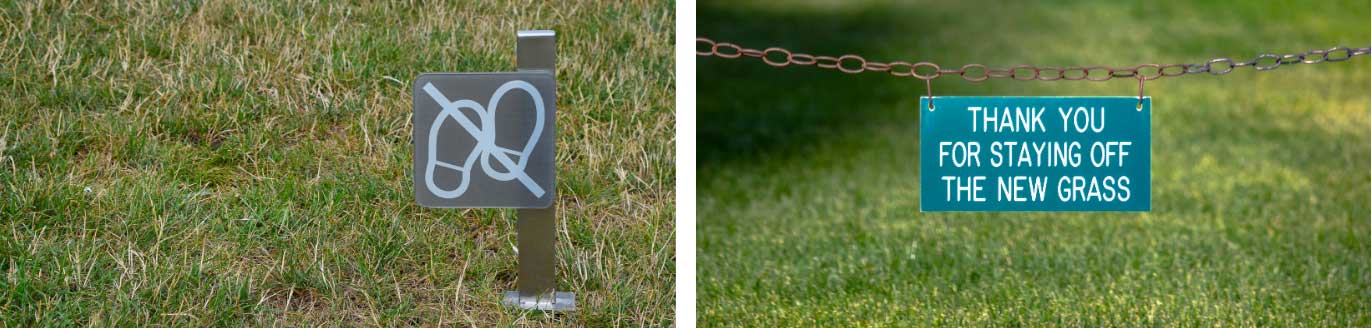
Try to stay off newly seeded areas for a few weeks so the young grass has the best chance to grow strong.
With some preparation and care, overseeding in late summer can turn a tired lawn into a thick, healthy carpet of grass. As the new grass grows through the fall, it builds stronger roots and gives you a greener, tougher lawn by spring.
Whether you re fixing a few bare spots or refreshing your whole yard, overseeding in late summer is an easy and effective way to keep your lawn healthy for the long term.
 We’re Your Atlantic Canadian Team!


 1-877-445-3527
 Store multiple addresses